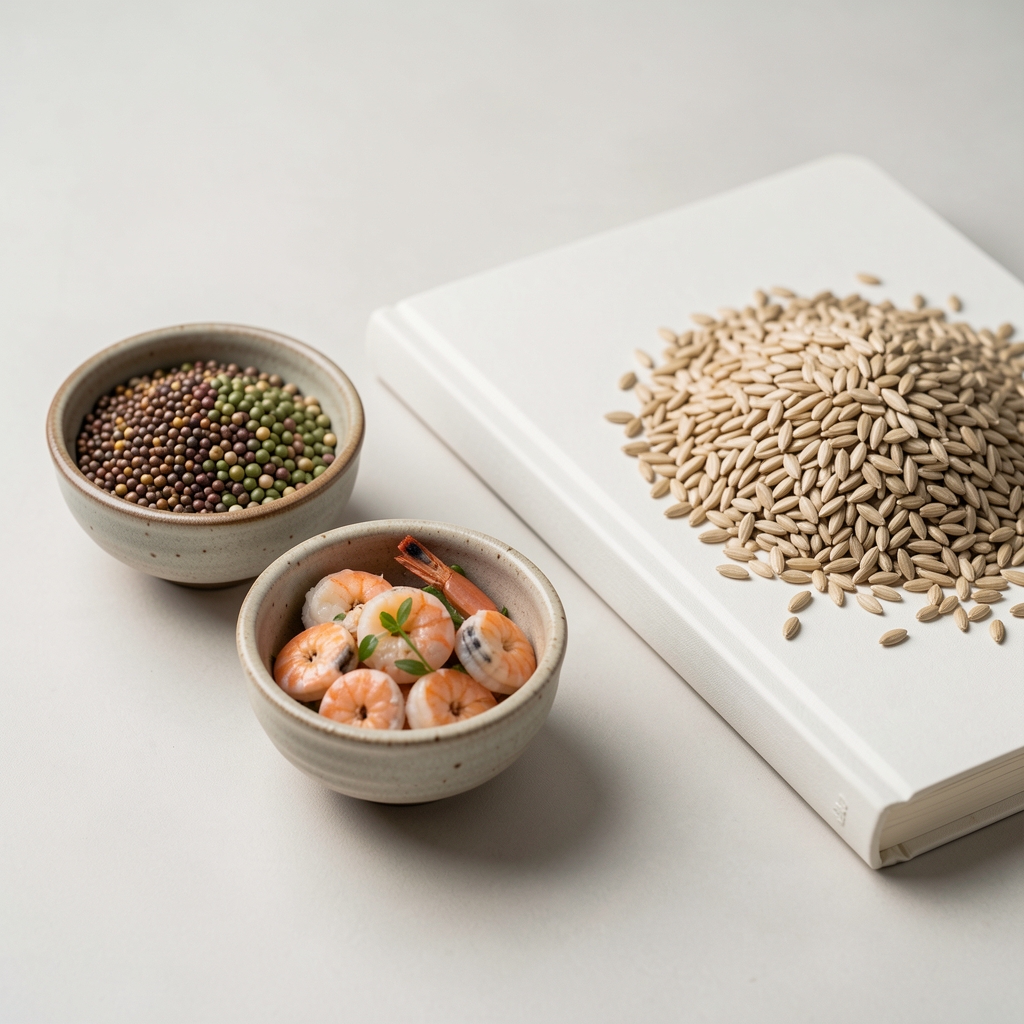
Zinc and selenium are trace elements, meaning the body needs them in relatively small amounts. They appear in conversations about immune wellness because they participate in normal biological processes. That fact is different from saying that a particular product will deliver a dramatic outcome. This article looks at food sources, research design, UK context and the language readers may meet on labels. It is intended for general information and keeps individual decisions with qualified professionals.
Two different nutrients
Zinc and selenium have distinct roles and dietary patterns, and they are not interchangeable despite often being mentioned together. Seafood, meat, dairy, grains, seeds and legumes may contribute zinc depending on the meal pattern and portion sizes involved. Selenium content can vary with soil, food source and portion, meaning the same food grown in different regions may not provide identical amounts. A varied diet gives a more useful frame than focusing on one fashionable ingredient in isolation.
What normal function means
Nutrition language sometimes refers to a nutrient contributing to the normal function of the immune system. Such wording describes the nutrient itself, not a brand, capsule or meal plan built around it. It should not be stretched into a promise about a personal outcome, a faster recovery, or any specific measurable result for an individual reader.
Food first, context always
Dietary surveys capture patterns over time, while short experiments may examine a narrow marker in a controlled setting. Neither approach answers every question a curious reader might have. Men with dietary restrictions, specific health conditions or existing supplement use should raise questions directly with a GP, dietitian or pharmacist rather than relying on a general nutrition article.